What Is Orthodontics?
Orthodontics is the diagnosis, prevention and treatment of dental and facial irregularities. This specialty field of dentistry offers correction for people with an irregular or “bad” bite, also known as a malocclusion.
Orthodontic care involves the use of corrective appliances, usually braces, to:
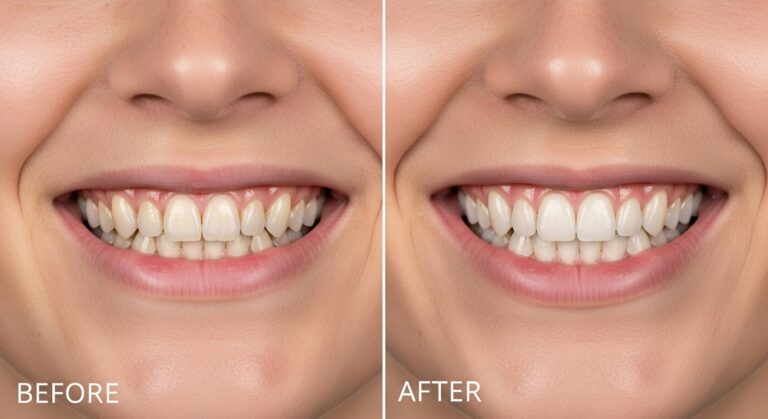
- Straighten teeth
- Correct bite irregularities
- Close unsightly gaps
- Bring teeth and lips into proper alignment
In young children, orthodontic treatment also may guide proper jaw growth and permanent tooth eruption.
Bite Irregularities
Many people have some irregularity, which can be genetic or caused by:
- Trauma: Teeth fusing to bone after injury.
- Prolonged Habits: Thumb sucking or tongue-thrusting.
- Premature Loss: Early loss of baby teeth, causing permanent teeth to drift.
Why Seek Orthodontic Care?
- Improved Confidence: Feel better with a properly aligned smile.
- Better Oral Health: Straight teeth are easier to clean, reducing risk of decay and gum disease.
- Functional Benefits: Makes chewing and speaking easier and prevents premature wear on teeth.
Who Can Benefit?
- Children: The American Association of Orthodontists recommends a screening by age 7.
- Teenagers: The most common time for treatment, with millions wearing braces.
- Adults: An increasing number of adults are now seeking treatment for a healthier smile.
Types of Bad Bites
- Crossbite: Upper teeth sit inside the lower teeth.
- Crowding: Not enough space for teeth to align properly.
- Deep Overbite: Upper front teeth excessively overlap the lower teeth.
- Underbite: Lower teeth are ahead of the upper teeth.
- Open Bite: Front teeth don’t meet when biting down.
- Spacing Problems: Gaps between teeth due to size or missing teeth.
Treatment: Braces and Retainers
Treatment typically occurs in two phases:
- Active Phase: Braces or appliances move teeth into alignment.
- Retention Phase: A retainer holds teeth in their new position.
Getting Braces
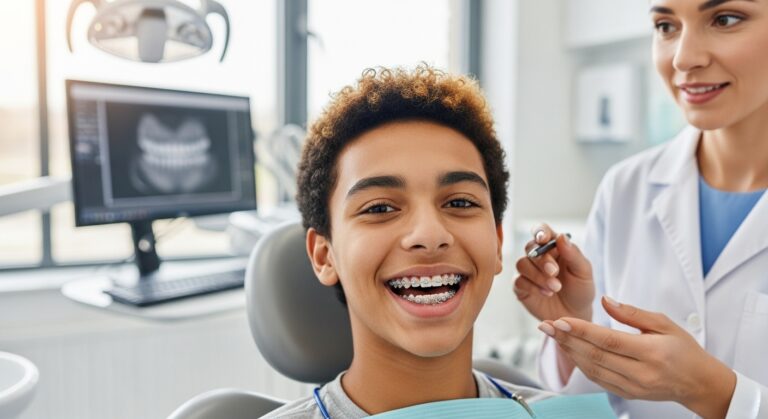
You can choose from metal, ceramic, or plastic braces. After application, expect some discomfort for a few days. Treatment lasts one to three years on average.
Wearing a Retainer
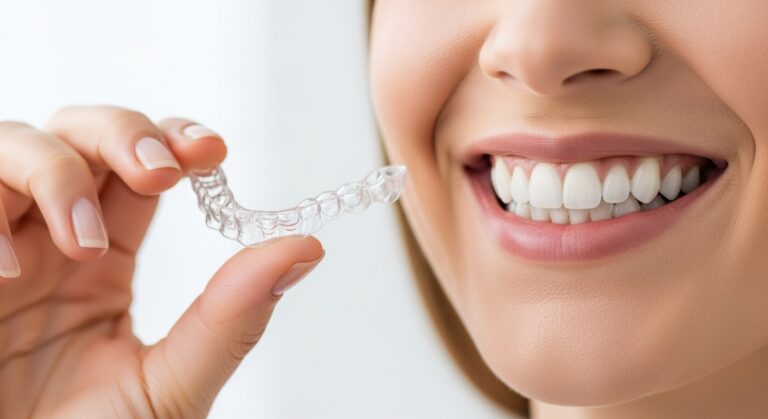
Retainers are crucial for maintaining your new smile after braces. Wear time varies, so follow your orthodontist’s instructions strictly.
Risks and Limitations
Risks are rare but can include allergic reactions. Adults may require a more complex, multi-disciplinary approach. Your orthodontist will discuss all options and expected outcomes before you begin.