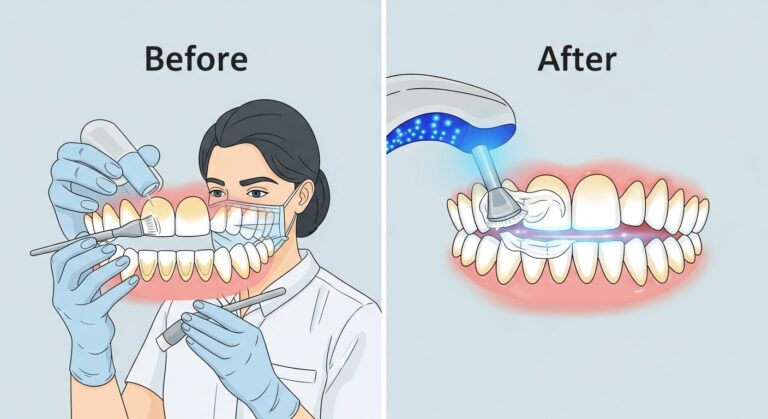
What is Periodontics?
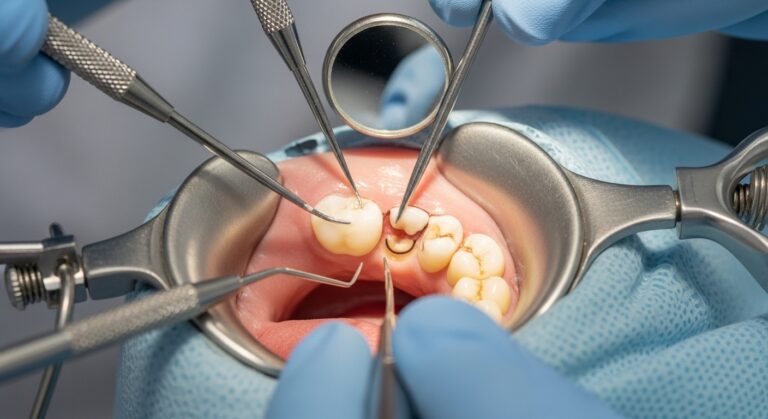
Periodontics involves the diagnosis, treatment and prevention of gum disease by a general dentist or a periodontist. A periodontist is a dentist who has had additional years of specialized training and is certified in this specialty.
Understanding Periodontal Disease
Periodontal Disease is a bacterial infection of the gums, bone and ligaments that support the teeth. The bacteria form a film of plaque and calculus (tartar), producing toxins that destroy supporting structures, eventually leading to tooth loss.
- It can occur at any age, affecting over half of people over 18 and over 75% of people after age 35.
- The disease is often asymptomatic and painless, making regular dental examinations crucial for detection.
The most common types of periodontal disease are Gingivitis and Periodontitis.
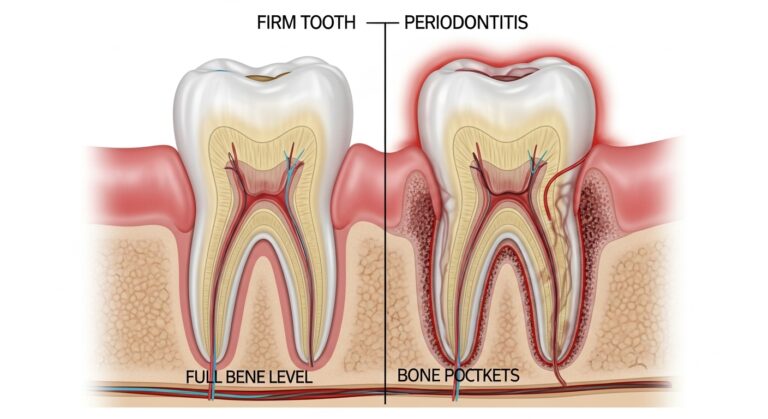
Stages of Gum Disease
- Healthy Gums and Bone: Gums are light pink and sharply defined. Bone completely surrounds the teeth, anchoring them firmly.
- Gingivitis: This is the initial stage, an infection of the gum tissue. Gums become red, swollen, and may bleed easily. The underlying bone is not yet affected.
- Periodontitis: This is classified as Mild, Moderate, or Severe based on the destruction of gums, ligaments, and bone. Gums separate from teeth, forming pockets that deepen as more bone is lost, eventually causing teeth to loosen.
Contributing Factors to Periodontal Disease
The response to dental plaque can be worsened by:
- Poorly fitting dental restorations
- Smoking
- Crowded teeth or improper bite alignment
- Clenching or grinding of teeth (Bruxism)
- Hormonal changes (pregnancy, menstruation, menopause)
- Diet
- Systemic diseases like diabetes
- Certain medications
Warning Signs of Periodontal Disease
- Bleeding gums
- Red, swollen, or tender gums
- Pus (abscess) oozing from the gums
- Foul odor
- Loose teeth
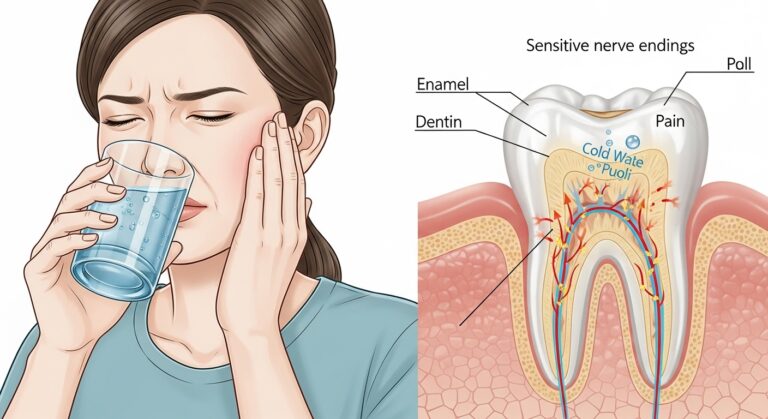
- Pain
Diagnosis of Periodontal Disease
A general dentist or periodontist can easily detect the disease during a regular examination.
- Periodontal Charting: A probe with millimeter markings measures the space between teeth and gums. Depths greater than 3mm may signify disease.
- X-rays: Are used to see if bone damage has occurred.
Treatment of Periodontal Disease
The main goal is to eradicate the disease and restore health that can be maintained long-term.
Phase I: Non-Surgical Therapy
- Patient Education: Teaching effective daily plaque removal is critical.
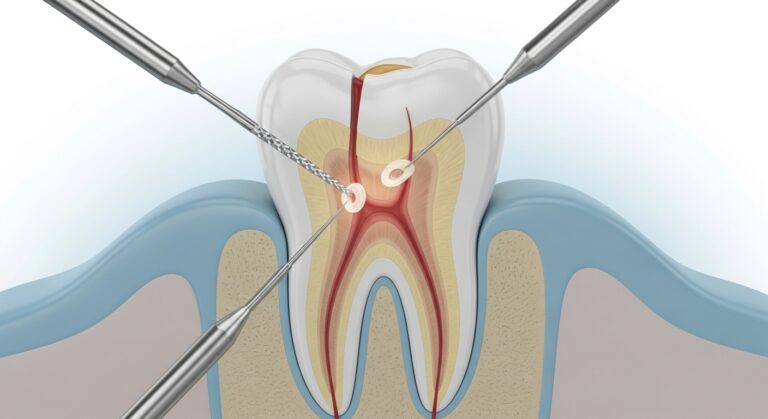
- Scaling and Root Planing: Deep cleaning to remove plaque and calculus from gum pockets. This may be the only treatment needed for gingivitis and mild periodontitis.
Phase II: Surgical Therapy
For deeper pockets and bone loss, osseous (bone) surgery may be necessary.
- The gum is lifted to expose the roots and bone.
- The bone is contoured to a normal shape, and the gum is sutured back.
- This re-establishes normal, cleanable probing depths (1-3mm).
Additional treatments may include:
- Bone grafts and gum grafts
- Cosmetic gum surgery
- Night guards for grinding
- Splinting loose teeth together
- Orthodontics
- Medications like antibiotics or antimicrobial rinses
Maintenance
Once health is restored, regular professional cleanings are essential. This regimen, combined with diligent home care, offers the best chance for preventing recurrence and maintaining long-term periodontal health.